In short
- Talk to the teacher before you start and share your words and routine.
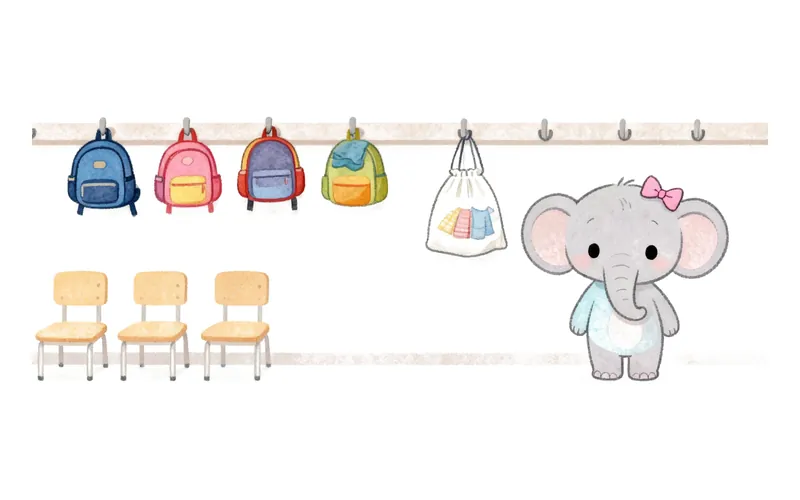
- Pack three full changes of clothes and two bags for wet clothes.
- Accidents at daycare are common: busy rooms, new bathrooms, shy asking.
- Keep the same calm accident script at home and at daycare.
On this page
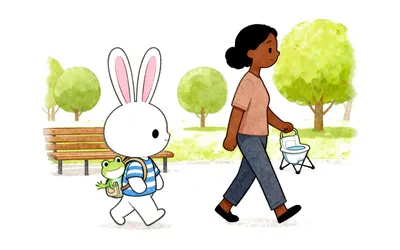
When your child goes to daycare or preschool, potty training becomes a team effort. The approach that works at home needs to carry over to the classroom, and that takes a short conversation, a simple note, and a bag packed for real life. You do not need a perfect plan—just a consistent one that teachers can follow.
Before You Start: Talk to the Teacher
Set up a quick conversation with your child's teacher before you begin potty training at home. Ask how they handle bathroom breaks, whether they use potties or low toilets, what words they use for pee and poop, and what they need you to send. This helps you align your language and routine from day one.
Pick your start date with daycare in mind. Ideally, the first few days of potty training happen at home—a long weekend or a few days off—so your child gets some practice before returning to daycare. By day four or five, when your child goes back, they will have had a little experience.
Ask whether the daycare uses rewards like stickers. If they do not, that is fine—you can keep a sticker chart going at home. The two settings do not have to be identical; they just cannot contradict each other.
What to Put in the Daycare Bag
Pack for accidents and easy bathroom access. Label everything with your child's name.
- Three complete changes of clothes, including underwear, pants, and socks.
- Two bags for wet clothes—plastic or waterproof bags work well.
- Easy clothes: elastic-waist pants, no onesies, overalls, or belts. These are hard for a child to pull down in a hurry.
- If your child naps at daycare, include their nap diaper if they still use one.
Teachers appreciate clothes that are easy to manage, and your child will feel more independent.
The Note for the Teacher: What to Share
A short, clear note helps everyone stay on the same page. Include the following:
- Start date and current day of potty training.
- Words you use for pee, poop, and the potty or toilet.
- When you invite your child to try: on arrival, after meals, before and after nap, before going outside, and when you see signs.
- Your child's signs that they need to go (for example, squirming, holding themselves, hiding).
- How you invite: instead of asking “Do you need to pee?” (which usually gets a “no”), say “It's time to try” and offer a choice—walking or hopping, bringing a toy.
- What to say after an accident: “Oops, it came out. That's okay. Pee goes in the potty.” Then finish on the potty and change clothes calmly. No scolding.
- What you celebrate: sitting, telling an adult (even if it's late), and every pee or poop in the potty.
- Nap info: whether your child wears a diaper at nap or not.
- Poop patterns: for example, “still asks for a diaper for poop” or “usually goes after lunch.”
- When to alert you: if they notice pain or stinging when peeing, hard or painful poops, or holding in poop with distress.
Also mention how many changes of clothes you have packed. End with your phone number and a thank-you.
Why Accidents at Daycare Are Common
It is normal for a child who is dry at home to have accidents at daycare—or the other way around. Daycare is busy and full of distractions. Other kids are playing, and your child may not want to stop. They might be shy about asking to go, especially if the bathroom is different—bigger, louder, or less private. The routine may not match their natural rhythm, and by the end of the day, they are tired.
If accidents cluster at a certain time, like before lunch or at pickup, you can adjust. Ask the teacher to invite your child to try at key moments: on arrival, before going outside, after lunch, before and after nap. Teach your child a simple phrase to ask: “Teacher, potty!” Practice it at home. For more on handling accidents, see potty training accidents: what to do and say.
Keeping Home and Daycare Consistent
The best way to reduce confusion is to use the same words and the same accident script at home and at daycare. If your child has an accident, respond calmly: “Oops, it came out. That's okay. Pee goes in the potty.” Then help them finish on the potty and change clothes without fuss. Avoid punishment or shame—they do not help and can make things worse.
At pickup, ask the teacher how the day went, but keep it low-key in front of your child. Focus on the positive: “I heard you went to the bathroom with your friends!” If there were accidents, talk to the teacher privately. Avoid interrogating your child about every accident. Instead, say, “At daycare you can ask to go to the bathroom too. Your teachers will help you.”
If your child is starting daycare or preschool soon, you might find our guide on potty training before preschool or daycare starts helpful. And if you notice a setback after a period of success, read about potty training regression: why it happens and what to do.
What to Avoid
Some approaches backfire. Avoid these:
- Punishing or shaming for accidents. It can make your child anxious and lead to more accidents.
- Bribing with big rewards for using the potty. Small, consistent rewards like stickers are fine, but extravagant bribes can create pressure.
- Comparing your child to others who are trained. Every child is different.
- Putting your child back in diapers “just to be safe” during the day. This can confuse them. If a caregiver does this, ask them to tell you without worry.
- Interrogating at pickup in front of your child. Keep conversations about accidents private.
When to Call the Pediatrician
Call your pediatrician if accidents come with burning or stinging when peeing, lots of tiny pees, hard or painful poops, or if daycare reports that your child holds their pee or poop all day. These signs need a doctor's check.
Questions parents ask
Should I wait until my child is fully potty trained to start daycare?
No. Many children start daycare while still learning. Talk to the teacher about your approach and pack extra clothes. Daycare can support the same routine you use at home.
What should I write in a note to my child's teacher about potty training?
Include your start date, the words you use, when you invite your child to try, your child's signs, how you handle accidents, and what you celebrate. Also note nap and poop patterns, and ask to be told about pain or holding.
Why does my child have accidents at daycare but not at home?
Daycare is busier and full of distractions. Your child may be shy about asking, the bathroom may be different, or the routine may not match their timing. Accidents in one setting and not the other are common.
How do I handle accidents at daycare without shaming my child?
Use the same calm script: “Oops, it came out. That's okay. Pee goes in the potty.” Then finish on the potty and change clothes calmly. Ask the teacher to do the same and to avoid scolding.
When should I call the pediatrician about potty training problems at daycare?
Call if your child has burning or stinging when peeing, lots of tiny pees, hard or painful poops, or if daycare reports that your child holds their pee or poop all day.
These guides are general information for parents. They do not replace your pediatrician's advice: if something worries you, ask.