Potty Week Guides
Potty training guides for calm, unhurried parents
Every child gets there at their own pace. These guides cover the questions parents actually ask, from the first readiness signs to the last nighttime diaper, with clear steps, words you can use, and a plain line on when to talk to your pediatrician.
Browse by topic

Readiness and when to start
The signs that your child is ready, what you need, how to prepare, and when it is better to wait or take a break.
The method, day by day
A calm approach to daytime training: the rhythm of the day, what to say, how to handle accidents and how to use rewards.
When it gets stuck
Refusing the potty, holding poop, fear of the toilet, regression, daycare, power struggles and life on the go.

Nights and beyond
Nighttime dryness, wet nights, naps and the move from the potty to the big toilet.
Readiness and when to start

When to Start Potty Training: Signs, Age, and Timing
Most children gain daytime control between 2 and 3 years old, but signs matter more than age. Learn when to start potty training and how to pick a calm date.

Potty Training Readiness Signs: A Checklist for Parents
A 12-sign potty training readiness checklist grouped by body, noticing, understanding and wanting, plus how to read your count and when to wait.
Potty Training Essentials: What You Actually Need
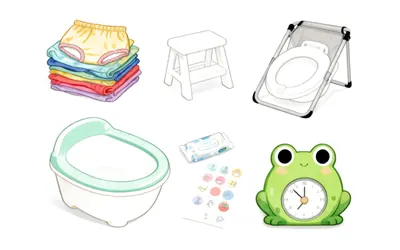
An honest list of potty training essentials: potty chair or toilet seat reducer, step stool, underwear, easy clothes, timer, and cleaning kit. What to skip.

How to Prepare for Potty Training: The Week Before
Use the week before potty training to choose your words, introduce the potty, read books, and tell caregivers. A calm prep plan with no pressure and diapers on.
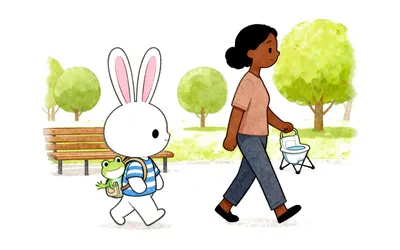
Potty Trained for Preschool: A Calm Plan When the Start Date Is Close
Preschool asks for a child out of diapers. How to plan without forcing, use summer well, talk to the school early, and hand over to teachers calmly.
When to Stop Potty Training and Take a Calm Break
Potty training not working? Learn the signs it's time to pause, how to take a calm break with diapers back, when to restart, and when to call the pediatrician.
The method, day by day
How to Potty Train a Toddler: A Calm Week Plan
A calm, day-by-day potty training plan for toddlers: three days at home, short outings, key moments, a timer, and a traffic-light review at the end of the week.
How Often to Take a Toddler to the Potty: A Calm Schedule
Learn how often to take your toddler to the potty with key moments, a timer that stretches over days, how long to sit, and how to invite without asking.

Potty Training Accidents: What to Do and Say
Accidents are normal during potty training. Learn a calm routine, what to say and avoid, what patterns mean, and when to call the pediatrician.

What to Say When Potty Training: Phrases That Help
Learn what to say when potty training: inviting phrases, praise for effort, and words to avoid. Get calm scripts for accidents, refusals, and poop.

Potty Training Rewards: Sticker Charts That Help
Potty training rewards work best when they celebrate effort, like sitting and trying. Learn how to use a sticker chart, what to avoid, and how to fade rewards.

Potty Training Boys and Girls: What's Actually Different
Boys sit first, stand later; girls wipe front to back. Learn the practical potty training differences and what stays the same for every child.
When it gets stuck
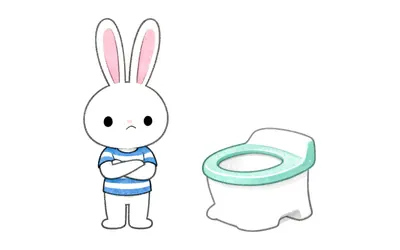
Toddler Refuses to Sit on the Potty? What to Do
Your toddler refuses to sit on the potty? Learn why it happens, a gentle step-by-step plan, what to say, and when to call the pediatrician.
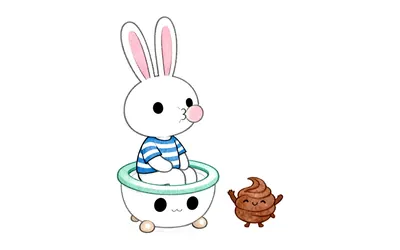
Toddler Refuses to Poop on the Potty: A Step-by-Step Plan
Pee is going fine but your toddler refuses to poop on the potty? A calm, step-by-step plan for poop training, what to say, and when to call the doctor.
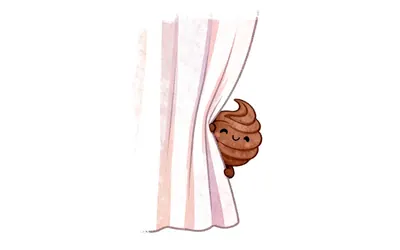
Toddler Withholding Poop: Signs and What Helps
Is your toddler holding in poop? Learn the signs of stool withholding, why it happens, and gentle steps to help at home, plus when to call the pediatrician.
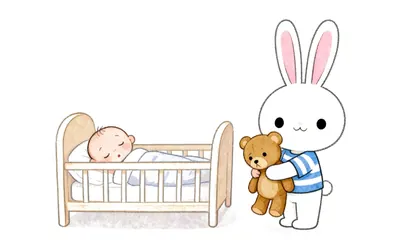
Potty Training Regression: Why It Happens and What to Do
Your potty-trained toddler is having accidents again. Learn common causes, a calm back-to-basics plan, what to say, and when to call the pediatrician.
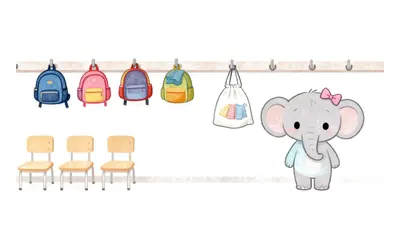
Potty Training at Daycare: A Guide for Parents
Learn how to work with daycare teachers on potty training: what to share, what to pack, why accidents happen, and how to keep home and school consistent.
Potty Training Power Struggle: When Your Toddler Says No
Your toddler says no to the potty. Learn why pressure backfires, how to offer real choices, what to say, and when a break is the best next step.
Toddler Afraid of the Toilet or the Flush: What to Do
Is your toddler afraid of the toilet or the flush? Use a seat reducer, step stool, and a gradual flush plan. Learn what to say and when to call the doctor.
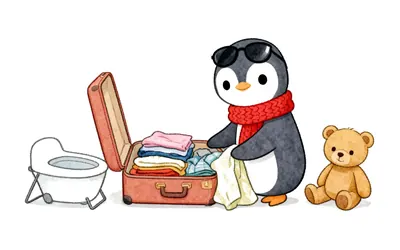
Potty Training on the Go: Outings, Cars, and Travel
A practical guide to potty training on the go: what to pack, how to handle public restrooms, car trips, beach days, and vacations without losing progress.
Nights and beyond

Nighttime Potty Training: When to Start and How
Night dryness depends on body maturity, not effort. Learn the signs it's time, two weeks of prep, a bed ready for wet nights, and how to run trial nights.

Wet Nights After Potty Training: What's Normal
Dry by day but wet at night? Learn what's normal, what to say during and after a wet night, and when to call the pediatrician about bedwetting.

Potty Training Naps: Diapers, Dry Naps, and What to Expect
How to handle naps during potty training: when to keep the sleep diaper, signs your child is ready for dry naps, and what to say after a wet nap.

Moving from Potty Chair to Toilet: A Calm Transition
How to move your child from a potty chair to the family toilet with a seat reducer and step stool. Keep the potty chair available and follow your child's pace.