In short
- Announce potty trips with a choice instead of asking, because questions get a no.
- Praise what your child did, not who they are, so effort is what gets noticed.
- Keep words short and calm; describe accidents without judging or sighing.
- Skip shame, comparisons, bribes, and constant reminders.
On this page
The words you use during potty training do more work than most parents expect. A question like "Do you need to pee?" invites a no. A calm statement with a choice in it moves a toddler toward the bathroom without a fight. The goal is not perfect phrasing. It is a household where pee and poop are ordinary topics, accidents are information, and your child stays willing to try.
Invite instead of asking
A direct question about a body sensation is hard for a toddler to answer. Many children say no automatically, even when they are about to go. Announce the trip and hand them a small decision.
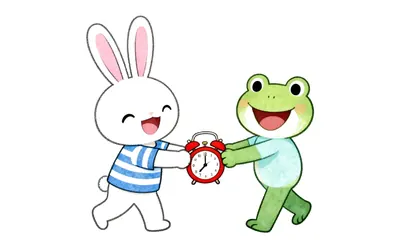
- "The timer rang. Time to try. Do you want to hop like a bunny or waddle like a penguin?"
- "It's time to try. Potty or big toilet?"
- "Pee before we leave. Do you want to carry the book, or should I?"
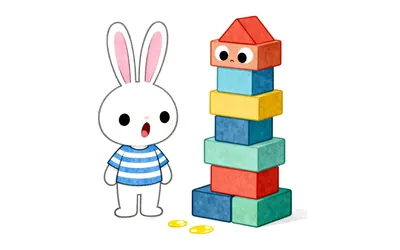
If they say no, keep it light: "Okay. Finish that tower, then we'll go." Two minutes later, you go, no big deal. If they really resist, drop it for a while. A fight in the bathroom does more harm than an accident in the living room. More on that is in when your toddler says no.
When you spot the signs, meaning they go still, cross their legs, grab between their legs, dance, hide, go quiet, turn red or squat, don't ask. Say "Let's go to the potty" and walk them there calmly. Rushing startles them and the pee comes out sooner.
Keep it short, calm, and specific
Long explanations lose a toddler. Short statements land. Aim for one or two sentences, said in a normal voice, with a face that matches the words.
- "Pee goes in the potty."
- "Your body tells you. When you feel the pee tickle, we run to the potty."
- "The diaper is just for sleeping."
- "Wet clothes in the bucket. Dry clothes, ahh, that feels nice!"
Pick your family's words for pee and poop and use them every time. Some families use pee and poop, some use pee and poo, some use their own words. What matters is that everyone at home and at daycare uses the same ones, so your child hears one clear vocabulary. Avoid words that suggest waste is disgusting; the source advises against saying "gross."
Praise effort, not the child
Praise that describes what your child did helps them repeat it. Praise about being big, smart or good can backfire, because it makes the next accident feel like a fall from grace.
| Instead of | Try |
|---|---|
| "Good boy!" | "You listened to your body." |
| "You're a big kid now." | "You stopped when the pee was coming. That's hard." |
| "You're so smart." | "You told me! That's the hardest part." |
| "Perfect!" | "Pee in the potty. Did you hear the tinkle?" |
Celebrate the noticing, the telling, and the trying, even when nothing comes out. A child who tells you late, when the pee is already running, has made real progress. Say so: "Thank you for telling me. Your body is learning to tell you sooner."
What to say in the hard moments
After an accident
Breathe once, deeply. Your face says more than your words. Then:
- "Oops, the pee came out."
- Walk them to the potty: "Pee goes in the potty. Let's sit for a moment."
- Change together and let them help: "Wet clothes in the bucket."
- Close on a forward note: "Next time, when you feel the pee, we'll run to the potty."
The full routine, including what to do when accidents keep coming, is in potty training accidents.
When nothing comes out
"The pee is hiding today. That's okay. We'll try later." Then back to playing. Keep sitting to a few minutes, five at most, with a short book or a song.
When they refuse
"Okay. We'll try in a little while." Offer a middle step if you can: sit with clothes on, sit on the big toilet with a seat, or let a stuffed animal try first.
When it's poop
Poop can take longer than pee, and many children want privacy for it. Leave the door ajar or turn your back. If they ask for a diaper to poop, don't scold and don't suddenly refuse. Offer a step: poop in the diaper, but in the bathroom, or sitting on the potty with the diaper on. What matters most is that they don't hold it in.
If poops are hard or painful, or if they go several days without one, talk to your pediatrician. The same goes for pain when peeing.
Words that backfire
Some phrases are common in the moment and make the next attempt harder.
- Shame: "Gross," "That's disgusting," "Why didn't you tell me?"
- Comparisons: "Look at your cousin, she doesn't wear diapers anymore."
- Bribes and threats: "If you pee, you get a candy," "No screen unless you sit." A small reward for trying can work for some families, but it should not be the reason your child sits. See rewards and sticker charts for what tends to help.
- Sighing or eye-rolling. If one slips out, repair it: "Sorry, I was tired. It's okay."
- Constant reminders. Asking every few minutes turns the potty into your project. Use regular invitations and watch for signs in between.
A few lines to keep in your pocket
- Morning: "Good morning, body. Let's see if there's any pee."
- Invitation: "Time to try. Potty or big toilet?"
- Success: "You listened to your body!"
- Accident: "The pee came out. Let's finish in the potty."
- Refusal: "Okay. We'll try in a little while."
- Poop: "The poop wants to come out. Feet on the step, soft tummy, and blow like you're blowing out candles."
- Handing over control: "You're the one who knows when you need to pee. I'll help."
Your child does not need a perfect script. They need to hear the same calm words again and again, and to know that an accident changes nothing about how you talk to them.
Questions parents ask
What should I say when my child has an accident?
Breathe once, then describe what happened without judging: "Oops, the pee came out." Walk them to the potty to finish, change clothes together, and end with a forward-looking note: "Next time, when you feel the pee, we'll run to the potty."
How do I praise my child for using the potty?
Praise the effort, not the child. Instead of "Good boy!" say "You listened to your body" or "You told me! That's the hardest part." This helps them repeat the behavior without making the next accident feel like a fall from grace.
What words should I avoid during potty training?
Avoid shame words like "gross" or "disgusting," comparisons with other children, bribes and threats, and constant reminders. Also skip "You're a big kid now" and sighing. If you slip, repair it: "Sorry, I was tired. It's okay."
How do I talk to my toddler about poop?
Use calm, matter-of-fact words. If they poop in their underwear, take it to the toilet together and say, "Poop lives in the toilet." If they ask for a diaper to poop, offer a middle step like pooping in the diaper in the bathroom. If poops are hard or painful, or they go several days without one, talk to your pediatrician.
What if my child refuses to sit on the potty?
Don't push. Say, "Okay. We'll try in a little while." Offer a choice or a middle step: sit with clothes on, use the big toilet with a seat, or let a stuffed animal try first. A fight in the bathroom does more harm than an accident.
These guides are general information for parents. They do not replace your pediatrician's advice: if something worries you, ask.