In short
- Saying no is normal between ages 2 and 3 — it's part of growing up.
- The harder you push, the louder the no gets. Nobody can make a child pee.
- You decide when to try; your child decides how (potty or toilet, hop or walk).
- If it's already a war, a 2–3 week break is a smart move, not a loss.
On this page
- Why 'no' is part of the age
- How pressure turns the potty into a battle
- Step back and give real choices
- Use invitations instead of questions
- Let the child lead (within limits)
- What to say (and what not to say)
- What tends to backfire
- When a break is the better move
- When to call the pediatrician
- A final note on patience
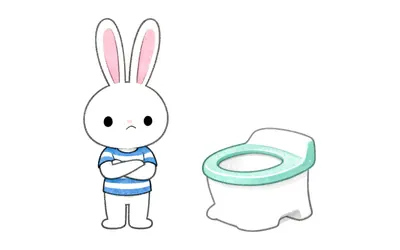
Your toddler looks you in the eye and says a firm "No!" when you suggest the potty. Again. You're tired, a little worried, and wondering if you're doing something wrong. Here's the reassuring part: this is common, and it doesn't mean potty training is failing. Between ages 2 and 3, discovering they can say no is part of growing up. And pee and poop are among the few things they truly control. The harder you push, the louder they say no. And there's no way to win that one: nobody can make another person pee.
Why 'no' is part of the age
Toddlers are learning that they are separate people with their own wishes. Saying no is a healthy sign of that development. Your child may feel pressured or simply want to assert control. Understanding this can help you respond calmly instead of getting drawn into a battle.
How pressure turns the potty into a battle
If you plead, bargain, or lecture, the potty becomes a power struggle. The tension can make everyone miserable. The goal is to step out of the fight and let your child feel some control within limits you set.
Step back and give real choices
You decide it's time to try; your child decides how. Offer choices that are safe and acceptable to you:
- Potty or toilet?
- Walk or hop like a bunny?
- Which book to bring?
- Do you want to flush, or should I?
These small choices give your child a sense of autonomy without undermining your expectation that they try.
Use invitations instead of questions
Asking "Do you need to pee?" almost always gets a "no," even when they're about to go. Instead, announce it and give a choice: "It's time to try. Do you want the potty or the big toilet?" If they say no, you can respond with "Okay. Finish that tower and then we'll go." And two minutes later, you go, no big deal. If they really resist, don't push: "Okay, we'll try in a little while." A fight in the bathroom does more harm than an accident in the living room.
Let the child lead (within limits)
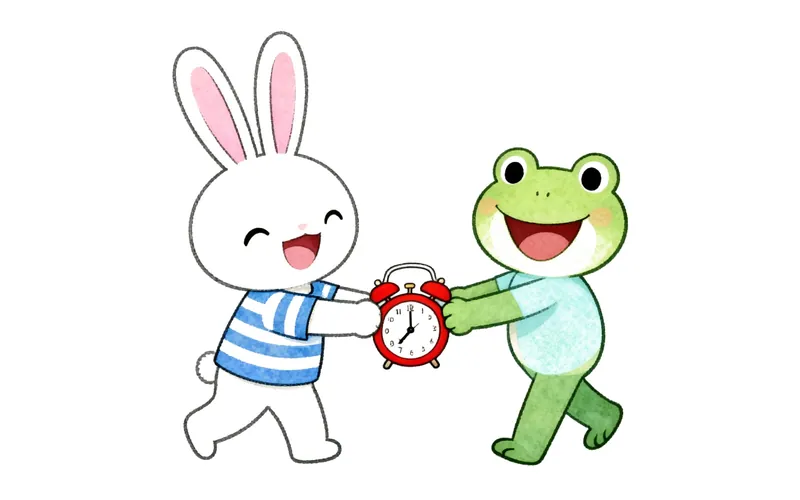
You can use a timer to take the grown-up out of the "bossy" role. Many children find it easier to listen to an alarm than to a parent. Set it for regular intervals—for example, every hour and a half on the first two days, then gradually longer. Also, invite them to try at key moments: after waking up, after meals, before leaving the house, before nap or bedtime, and before an activity that will absorb them. When the timer goes off, say: "The clock says it's time to try. Do you want to hop or walk?"
If your child is deep in play, give a warning: "When the timer rings, we'll go try." Then follow through calmly.
What to say (and what not to say)
Words matter. Keep them few and neutral. Here are some phrases to use:
- "Your body is yours. I just remind you when it's time to try."
- "Do you want to go first, or should the dinosaur go first?"
- When you get a firm "No!" say: "Okay." And move on.
Avoid these responses:
- Pleading or bargaining: "Please just try for Mommy."
- Lecturing: "You need to go because you didn't go before."
- Punishing or shaming: "You're a big kid now; only babies use diapers."
- Comparing: "Your sister always went when I asked."
These tend to backfire and increase resistance. For more on what to say, see what to say when potty training.
What tends to backfire
- Pushing too hard: The more you insist, the more they resist.
- Showing emotion about accidents: Keep your reaction minimal. An accident shouldn't be the most exciting thing that happens all day. Use a script: "Oops, pee goes in the potty. Let's change."
- Using the diaper as a threat: "If you don't pee in the potty, I'm putting a diaper on you." This is a threat, and it turns the diaper into a punishment.
- Talking about the break as a failure: If you take a break, don't frame it as a punishment or a failure in front of others.
When a break is the better move
If it's already a war—if your child cries, gets scared, or gets angry every time you suggest the potty—take a break. A break isn't giving up; it's changing the battlefield. Choose your words: "You practiced so much. Now we're going to take a rest from the potty for a few days, and then we'll play with it again." Go back to diapers with no drama. Leave the potty in sight, and if they want to sit on it, let them. Wait at least 2 to 3 weeks, then try again. If the same thing happens, wait longer, even a few months. For more signs and steps, see when to stop potty training.
If your child is holding in poop or pee for long stretches, or if poop is hard or painful, call your pediatrician. Holding it in can turn into a physical problem.
When to call the pediatrician
Call your pediatrician if the power struggle comes with holding in poop or pee for long stretches, pain or hard poop. These can be signs of a physical issue that needs attention.
A final note on patience
Your child's pace is their own. Some children take to the potty quickly; others need more time. Responding calmly and giving choices can reduce the struggle. If you're feeling frustrated, it's okay to step back and try again later. For more on refusal to sit, see toddler refuses to sit on potty.
Questions parents ask
Why does my toddler say no to the potty every time?
Saying no is a normal part of growing up between ages 2 and 3. Pee and poop are among the few things your child truly controls, so the potty can become a place to assert that control. The harder you push, the louder the no tends to get.
How do I stop the potty training power struggle?
Step out of the fight. For a few days, aim for zero arguments about the bathroom. You decide when it's time to try; your child decides how—potty or toilet, walking or hopping, which book to bring. Keep your words few and neutral.
What should I say when my toddler refuses the potty?
Try a calm "Okay" and move on. You can also say, "Your body is yours. I just remind you when it's time to try." If they really resist, don't push—say, "Okay, we'll try in a little while."
Is it bad to take a break from potty training?
No. A break isn't giving up; it's changing the battlefield. If your child cries, gets scared, or gets angry every time you suggest the potty, a break can help. Wait at least 2 to 3 weeks before trying again.
When should I call the pediatrician about potty training struggles?
Call your pediatrician if the struggle comes with holding in poop or pee for long stretches, or if poop is hard or painful. Holding it in can turn into a physical problem.
These guides are general information for parents. They do not replace your pediatrician's advice: if something worries you, ask.