In short
- Refusal is common: fear, pressure, or not being ready yet.
- Try three days without asking them to sit at all.
- Let them decorate the potty and have a stuffed animal try first.
- After that, one calm invitation a day, a few seconds is enough.
On this page
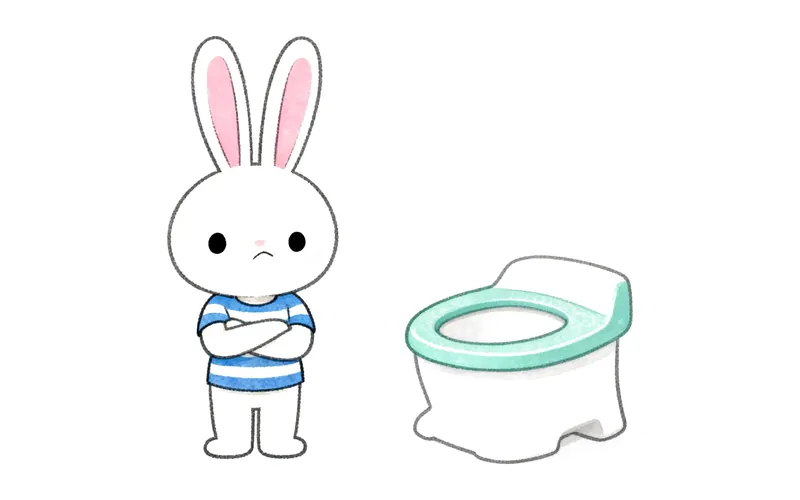
Your toddler won't sit on the potty. Maybe they cry, arch their back, or just say no and walk away. It can feel like a wall between you and dry days. The good news is that refusal is common, and it usually has a clear cause you can work with. This guide walks through why it happens, a step-by-step plan to lower the tension, what to say, what to avoid, and when to call the pediatrician.
Why a toddler refuses to sit
A potty is new, and new things can be scary. It might wobble, feel cold, or just seem weird. Something may have scared them: an accident where a grown-up yelled, a poop that hurt, or a loud public restroom. They may have learned that saying "no" to the potty gets a big reaction, which makes it a powerful word. They may connect the potty with having to stop playing. Or they simply aren't ready yet.
Almost no potty snag is a problem with your child. It's a problem of timing, fear, or control, and all three can be solved. If the bathroom has become a battleground, see our guide to potty training power struggles for more on giving control back without giving up on the process.
A step-by-step plan to get your toddler to sit
This plan works best when you can stay calm and consistent. It is not a race. Move through the steps at your child's pace.
- Take three days without asking them to sit. Not a single invitation. The potty stays in the bathroom, in plain sight. This lowers the tension and gives them back a sense of control.
- Make the potty theirs. Let them decorate it with stickers, give it a name, or choose where it goes. Something that belongs to them is less scary than something forced on them.
- Let a stuffed animal sit first. Play at Teddy using the potty, getting it wrong, trying again, and celebrating. Your child watches; they don't have to take part.
- Offer real choices. Potty or toilet with a seat insert. Clothes on or off. In the bathroom or, for a few days, in the living room. Door open or closed.
- Come back with just one invitation a day, at the best moment, for example before bath time when they're already undressed: "Want to sit for a minute while the tub fills up?" If they say no: "Okay." And nothing more.
- When they sit, even with clothes on and for ten seconds, celebrate calmly and specifically: "You sat on your potty!" A sticker works well.
- Stretch it out little by little: a short book, a song. Never more than five minutes.
If your child is afraid of the toilet itself or the flush, our guide to fear of the toilet flush has specific steps for that.
What to say when your toddler won't sit
Words matter more than you think. Keep them short, calm, and free of pressure.
- "The potty is yours. You sit when you want to."
- "Teddy is scared to sit down. Can you show him how it's done?"
- "You don't feel like it today. Okay. We'll see tomorrow."
When you invite them to try, announce it and give a choice instead of asking a yes-or-no question. "It's time to try. Do you want the potty or the big toilet?" works better than "Do you need to pee?" which almost always gets a no.
What tends to backfire
Some responses feel natural in the moment but make refusal worse. Avoid these:
- Sitting them down by force or holding them so they can't get up.
- Bargaining with candy or other bribes.
- Threatening them with the diaper or comparing them with other children.
- Asking repeatedly or lecturing about why they should sit.
- Showing big emotion when they refuse. A calm "Okay" and moving on works better.
Punishment and shame don't teach a child to use the potty; they teach them that the bathroom is a stressful place. If you notice yourself slipping into these patterns, it's a sign to pause and reset.
When to take a break
If after two weeks of this plan nothing has changed, take a two- to three-week break and look at the readiness signs again. That's not losing; it's changing the battlefield. Our guide on when to stop potty training explains how to step back without guilt and when to try again.
When to call the pediatrician
Call your pediatrician if the refusal comes with pain when they pee or poop, hard poop, or intense fear that isn't getting better. Also call if the struggle includes holding in poop or pee for long stretches. Holding it in can turn into a physical problem. No plan works through pain, so check with the doctor first.
A small table to remember
| Situation | What to do |
|---|---|
| Child cries or arches back | Stop, say "Okay," and try again another day |
| Child sits but nothing happens | Praise the sitting, then move on |
| Child refuses for days | Take a break from invitations for a few days |
| Child shows pain or fear that doesn't ease | Call the pediatrician |
Frequently asked questions
Why does my toddler cry when I put them on the potty?
Crying usually means fear or discomfort. The potty may feel cold, wobbly, or unfamiliar, or something may have scared them earlier. Stop the session, comfort them, and try again in a few days with the potty in a familiar place and clothes on.
How do I get my toddler to sit on the potty without a fight?
Lower the pressure. Take a few days off from asking, let them decorate the potty, and use a stuffed animal to model sitting. Then offer one calm invitation a day with a choice, like potty or toilet. If they say no, say "Okay" and move on.
My toddler is scared to sit on the potty. What can I do?
Try sitting fully clothed first, just for a few seconds. Let them hold a book or a toy. Stay nearby and keep your voice calm. If the fear is intense or doesn't ease, talk to your pediatrician.
When should I call the pediatrician about potty refusal?
Call if your child has pain when peeing or pooping, hard poop, or holds in poop or pee for long stretches. Also call if the fear is intense and not getting better. These signs need a doctor's check before you continue training.
What if my toddler refuses to sit on the potty at daycare?
Talk with your child's caregiver about using the same calm approach. Ask them not to force sitting and to offer the potty at similar times. Consistency between home and daycare helps, but if your child is scared, a break from training may be needed.
Questions parents ask
Why does my toddler cry when I put them on the potty?
Crying usually means fear or discomfort. The potty may feel cold, wobbly, or unfamiliar, or something may have scared them earlier. Stop the session, comfort them, and try again in a few days with the potty in a familiar place and clothes on.
How do I get my toddler to sit on the potty without a fight?
Lower the pressure. Take a few days off from asking, let them decorate the potty, and use a stuffed animal to model sitting. Then offer one calm invitation a day with a choice, like potty or toilet. If they say no, say "Okay" and move on.
My toddler is scared to sit on the potty. What can I do?
Try sitting fully clothed first, just for a few seconds. Let them hold a book or a toy. Stay nearby and keep your voice calm. If the fear is intense or doesn't ease, talk to your pediatrician.
When should I call the pediatrician about potty refusal?
Call if your child has pain when peeing or pooping, hard poop, or holds in poop or pee for long stretches. Also call if the fear is intense and not getting better. These signs need a doctor's check before you continue training.
What if my toddler refuses to sit on the potty at daycare?
Talk with your child's caregiver about using the same calm approach. Ask them not to force sitting and to offer the potty at similar times. Consistency between home and daycare helps, but if your child is scared, a break from training may be needed.
These guides are general information for parents. They do not replace your pediatrician's advice: if something worries you, ask.