In short
- Fear of the toilet, the flush, or falling in is real to a 2- or 3-year-old.
- Keep the potty if it feels safe, and make the toilet steady with a seat reducer and step stool.
- Let your child control the flush: you flush after they leave, then they watch, then they press.
- For public toilets, cover the automatic sensor with a sticky note and skip hand dryers.
On this page
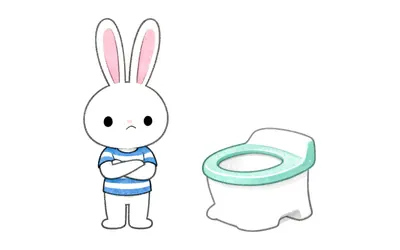
A toddler who suddenly refuses the toilet or clamps hands over ears at the flush is not being difficult. At 2 and 3 years old, imagination grows faster than logic. A big hole full of water that makes a loud noise and swallows things can feel genuinely scary: fear of falling in, of being sucked away, of the noise, or of poop disappearing. The fear is real to your child, and the way through it is gradual, predictable steps.
Why the toilet feels scary
Young children are still learning how the world works. A toilet is a hole that makes a roar and takes things away. If your child has ever slipped or felt unsteady on the big seat, fear of falling can stick. A public restroom adds strange echoes, automatic flushes, and hand dryers. None of this is silly; it is your child's brain trying to stay safe.
Start with steady footing
Do not ask your child to get over the fear all at once. If the small potty feels safe, use it. You can keep using the potty while you work on the toilet fear separately. When your child is ready to try the toilet, make it steady:
- Use a seat reducer that does not slide. A wobbly insert adds to the fear of falling.
- Put a step stool under their feet so they can push against something solid.
- Stay close and offer a hand or a steadying arm. Say, “I'm holding you. You won't fall.”
Many children who are afraid of the toilet are really afraid of falling in. A stable seat and planted feet can ease that part. If your child refuses to sit at all, even on the potty, see Toddler refuses to sit on the potty for ways to lower the pressure.
Take the flush in small steps
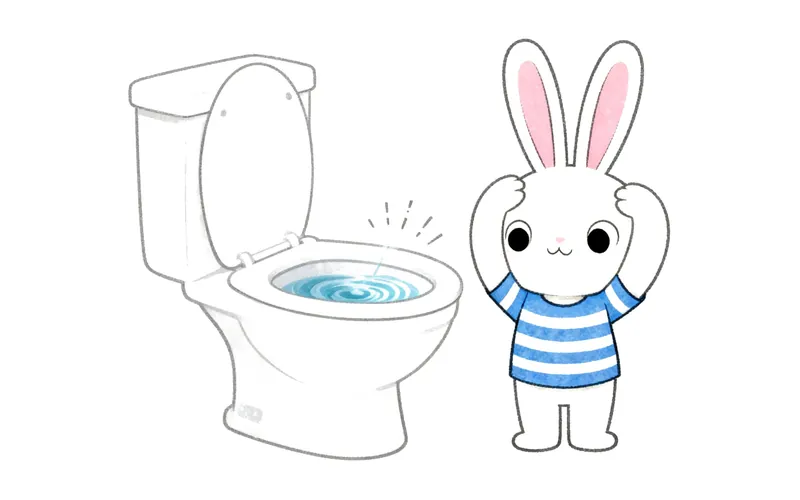
Let your child be in charge of the flush. The goal is to make the noise predictable, not to force bravery. A step-by-step plan:
- You flush after your child has left the bathroom. They hear it from another room.
- They watch from the doorway while you flush.
- They stand closer and watch you press the button.
- They press the button themselves, covering their ears if they want.
Always tell them when the noise is coming: “I'm going to flush now. It will be loud for a second.”
You can also play with the flush. Drop in a little toilet paper and wave goodbye: “Bye-bye, paper! Have a good trip to the ocean!” The noise becomes part of a game rather than a surprise.
Explain simply where everything goes: “Pee and poop go down the pipes, far, far away. You can't fit: you're way too big.” Keep it matter-of-fact and repeat it as often as needed.
Public restrooms and automatic flushes
Public bathrooms bring extra fears: loud echoes, automatic sensors, and hand dryers. A few practical moves help:
- Bring a folding potty seat. On a big public toilet, falling in is a real worry.
- If you do not have a seat, hold your child by the waist.
- Cover the automatic-flush sensor with a sticky note until your child stands up. Then warn them before the flush.
- Skip hand dryers. Use paper towels or wipes instead. Many children find the noise frightening.
- Go into the restroom with your child at this age.
For more on outings, see Potty training on the go: outings, car trips and travel.
What to say when fear shows up
Keep your words calm and short. A few phrases that help:
- “It's normal for the noise to scare you. You decide when we flush.”
- “I'm holding you. You won't fall.”
- “The toilet is loud. I will tell you before it makes noise.”
Avoid teasing, shaming, or saying “Don't be scared.” That can make the fear feel like a problem with your child. Instead, name the fear and offer a small next step.
What tends to backfire
Some responses make toilet fear worse:
- Forcing your child to sit or flush before they are ready.
- Surprising them with a flush to “show them it's fine.”
- Punishing accidents that happen because they were avoiding the bathroom.
- Comparing them to siblings or friends who are not afraid.
- Bribing with treats to get them to flush. It can turn the fear into a power struggle.
If your child has been using the potty and suddenly refuses the toilet, go back to what felt safe and move forward again slowly. For help with the transition, see Moving from the potty to the toilet.
When to call the pediatrician
Call your pediatrician if the fear is very intense, does not get better with time, appears suddenly after something painful, or spreads to many other situations.
A small table of steps
| Fear | First step | Next step |
|---|---|---|
| Noise of flush | You flush after they leave | They watch from the doorway |
| Falling in | Use a seat reducer and step stool | Hold their hand or waist |
| Public toilet | Cover sensor with sticky note | Warn before flush, skip hand dryers |
Questions parents ask
Why is my toddler suddenly afraid of the toilet?
At 2 and 3, imagination grows faster than logic. A big hole full of water that makes a loud noise and swallows things can feel scary. Fear of falling in, of being sucked away, of the noise, or of poop disappearing are all common. The fear is real to your child, and gradual steps help.
How do I help my toddler who is scared of the flush?
Let your child be in charge of the flush. First, you flush after they leave the bathroom. Then they watch from the doorway. Then they press the button themselves, covering their ears if they want. Always tell them when the noise is coming.
What should I do about automatic flush toilets in public restrooms?
Cover the sensor with a sticky note until your child stands up. Warn them before the flush. Bring a folding potty seat or hold them by the waist so they feel secure. Skip hand dryers and use paper towels or wipes instead.
My toddler is afraid of falling into the toilet. What helps?
Use a seat reducer that does not slide and a step stool so their feet can push against something solid. Stay close and say, “I'm holding you. You won't fall.” If the big toilet is too scary, go back to the potty for a while.
When should I call the pediatrician about my child's toilet fear?
Call your pediatrician if the fear is very intense, does not get better with time, appears suddenly after something painful, or spreads to many other situations.
These guides are general information for parents. They do not replace your pediatrician's advice: if something worries you, ask.