In short
- A seat reducer and a step stool make the big toilet feel steady and safe.
- Let your child choose between the potty chair and the toilet.
- Keep the potty chair available until your child consistently chooses the toilet.
- Teach wiping, flushing, and handwashing as part of every trip.
On this page
Moving from a potty chair to the family toilet is a change in routine, not a deadline. Your child may be curious about the big toilet or may prefer the potty chair for a while. Both are fine. The goal is to make the toilet feel steady and predictable, and to let your child set the pace.
Set up the toilet so it feels safe
A child sitting on a big toilet with legs dangling can feel like they might fall in. That feeling makes it hard to relax. Two pieces of equipment change the experience:
- A toilet seat reducer. This is a smaller seat that fits over the regular toilet seat. Choose one that is sturdy and doesn't slide around. A wobbly seat adds to the feeling of falling.
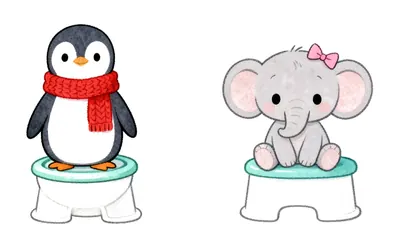
- A step stool. Place a stool in front of the toilet so your child's feet rest flat on it. When their knees are slightly higher than their hips, they can relax better and poop comes out with less effort. With legs dangling, it's harder. The stool also helps them get on and off.
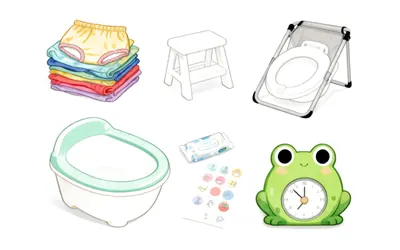
Keep toilet paper within reach and a soap your child likes. If your home has two floors or more than one bathroom, a second set of supplies helps. For a full list of what actually gets used, see potty training supplies.
Introduce the toilet gradually
You don't have to switch all at once. Try these steps:
- Let your child choose. Offer the potty chair or the toilet. If they pick the potty, that's fine. You can offer the toilet another time.
- Make the toilet familiar. Let your child sit on the toilet with the reducer and stool, fully clothed, just to get used to it. Read a book or sing a song.
- Practice the routine. When your child is ready, encourage a short sit on the toilet, especially after meals or before bath. Keep it brief.
- Praise tries. Praise your child for sitting, even if nothing happens. Comfort is the goal.
- Keep the potty chair available. Some children use both, depending on their mood. That's normal. There is no set timeline for when to stop using the potty chair; keep it available until your child consistently chooses the toilet and seems comfortable.
If your child is afraid of the toilet or the flush, specific steps are in helping a toddler afraid of the toilet flush.
Wiping, flushing, and handwashing
As your child moves to the toilet, these skills become part of the routine. They take practice.
- Toilet paper: Show them how much to use—about four squares—or you'll end up with half a roll in the toilet. For poop, you may need to help for a while. Encourage them to try first, then check and help as needed.
- Flushing: Let your child be in charge of the flush if they want. At first, you flush after they've left the bathroom. Then they watch from the doorway. Then they flush it themselves, covering their ears if they want. Make sure they always know when the noise is coming.
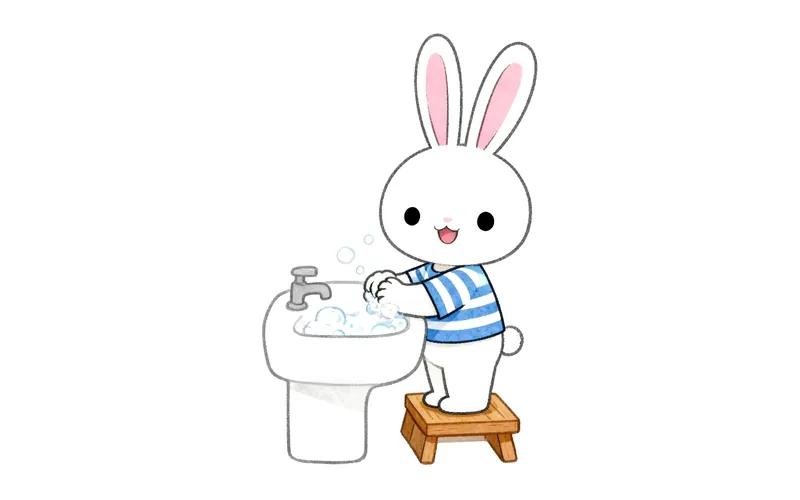
- Handwashing: Make handwashing the end of every potty trip: pants down, sit, pee, wipe, pants up, flush, hands. Use water, soap, and scrub for about 20 seconds—as long as singing “Happy Birthday” twice—not forgetting fingertips and under the nails. A step stool in front of the sink gives them independence.
Public restrooms and outings
Using public toilets can be challenging. A few habits make it easier:
- Bring a folding potty seat. On a big public toilet, falling in is scary. A travel seat reducer helps.
- Hold your child by the waist if you don't have a seat reducer.
- Cover automatic flush sensors until your child stands up. A sticky note works. Warn them about the noise.
- Skip hand dryers. Many children are frightened by the noise. Use paper towels or wipes, and don't push it.
- Always go into the restroom with your child at this age.
For outings, keep a bag packed with two complete changes of clothes (socks included), wipes, bags for wet clothes, and a travel potty or folding seat. Use the going-out pee before you leave, the arriving pee when you get somewhere new, and the transition pee before anything that will absorb them, like the slide or a movie.
What to avoid
Some approaches backfire and make the transition harder:
- Don't force the toilet. If your child is scared or resistant, go back to the potty chair if it makes them feel safe. Forcing can create anxiety.
- Don't punish or shame. Accidents happen. Stay calm and matter-of-fact.
- Don't compare with other children. Every child moves at their own pace.
- Don't use bribes. Avoid promising big prizes for success.
- Don't rush. Keep the potty chair available as long as your child needs it.
When to call the pediatrician
If fear of the toilet is very intense, doesn't get better with time, appears suddenly after something painful, or spreads to lots of other situations, talk to your pediatrician.
Boys and girls
What is actually different between boys and girls is covered in potty training boys and girls. The setup—a seat reducer and a step stool—works for both.
Questions parents ask
When should we switch from the potty chair to the toilet?
There is no set timeline. Move when your child shows interest or when using the toilet fits your routine better. Keep the potty chair available until your child consistently chooses the toilet and seems comfortable.
What if my child is afraid of the big toilet?
Go back to the potty chair if it makes them feel safe. If they use the toilet, make it steady with a seat reducer that doesn't slide and a step stool for their feet. Let them be in charge of the flush, and explain simply where everything goes.
Do we need a step stool for the toilet?
Yes, a step stool helps your child's feet rest flat so their knees are slightly higher than their hips. That position helps them relax and poop with less effort. It also helps them get on and off the toilet.
How do we handle public restrooms?
Bring a folding potty seat or hold your child by the waist. Cover automatic flush sensors until they stand up, and warn them about the noise. Skip hand dryers and use paper towels or wipes. Always go into the restroom with your child.
What if my child refuses to use the toilet?
Don't force it. Offer the potty chair and try the toilet another time. Praise any sitting, even if nothing happens. If fear is intense or doesn't get better, talk to your pediatrician.
These guides are general information for parents. They do not replace your pediatrician's advice: if something worries you, ask.