In short
- You need a place to sit, clothes that come down fast, and a way to clean up accidents.
- A sturdy potty chair or a toilet seat reducer with a step stool are both fine choices.
- Choose cotton underwear during the day; training pants absorb too much to feel wet.
- Skip music-and-lights potties, big prizes, and anything with lots of buttons.
On this page
Most of what you need for potty training is already in your home. The short list is a place to sit, clothes that come down fast, and a way to clean up accidents without drama. Everything else is optional. Before you buy anything, it helps to know what the first week actually looks like; a calm setup matters more than a cart full of supplies. If you are still deciding when to start, see how to prepare for potty training for the week before day one.
The potty: chair or toilet seat?
You have two good options, and some families use both.
A standalone potty chair
Pick one with a wide, stable base so your child can sit with both feet flat on the floor. A simple potty works better than one with music, lights, or screens: you want a place to pee, not a toy. For boys, choose a potty with a high front splash guard. If your home is large or has two floors, a second potty for the first few days saves a lot of rushing.
A toilet seat reducer plus a step stool
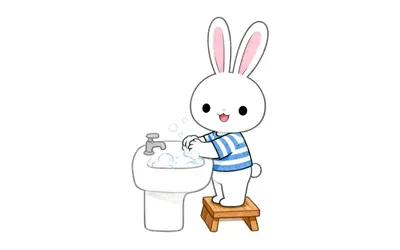
If your child prefers the big toilet, they need a reducer that fits securely and a step stool so their feet are supported. When knees are slightly higher than hips, the body relaxes and poop comes out with less effort. Legs dangling in the air make that harder. A step stool in front of the sink also helps with handwashing, which is part of every potty trip.
Where to put the potty
Put the potty in the bathroom your child uses most, with a book or two next to it. Keep toilet paper within reach. If your child plays in one area most of the day, a second potty nearby for the first few days can prevent a lot of sprinting. Once your child is comfortable, you can move toward the toilet; moving from the potty to the toilet covers that transition when the time comes.
Underwear, training pants, and clothes that come down fast
Underwear vs training pants
During the day, choose underwear. Buy 8 to 12 pairs of cotton underwear, a little loose, and let your child pick some out if possible. Loose underwear comes down faster and lets your child feel wetness, which is part of learning. Training pants absorb so much that the child does not feel wet, and that feeling is the information they need. For naps and nighttime, a diaper is fine.
Clothes for the week
Pick clothes that come down in two seconds: elastic-waist pants, skirts, and dresses. Skip onesies, overalls, belts, tricky buttons, and tights for now. At home during the first few days, bare feet or grippy socks make changes faster. Practice pulling pants down and up before you start, so the mechanics are familiar.
The small stuff: timer, cleaning kit, and a simple chart
A timer
Use your phone, a kitchen timer, or a watch with an alarm. A timer helps you offer potty sits at regular intervals without nagging. Keep sits short, a few minutes at most, and go back to playing if nothing happens.
An accident kit
You do not need special products. Keep wipes, paper towels, and the cleaner you already use in one spot. Add a bucket or bag for wet clothes. Put a disposable pad or an old towel on the couch and the high chair, and roll up any rugs you would hate to wash. For outings later in the week, pack a bag with two complete changes of clothes, socks included, wipes, and bags for wet clothes. A travel potty or folding seat and a car seat liner are useful but not required on day one.
A simple chart
A small sticker chart at your child's eye level can help track sits and keep the week organized. Keep it simple. If you want to use rewards, read potty training rewards and sticker charts that help so the chart supports the routine instead of turning into a negotiation.
What you do not need to buy
- Training pants for daytime: they mask the wet feeling that teaches your child what is happening.
- Special potty toys, apps, or gadgets: a plain potty and your attention do the job.
- A bathroom remodel or fancy gear: a stable potty, a step stool, and toilet paper within reach are enough.
- A large reward stash: small stickers or a simple chart are plenty; big prizes can backfire.
- A second set of everything: one potty in the main bathroom and one nearby is usually enough.
What tends to backfire
A few common purchases and habits make the week harder.
- Training pants during the day. They absorb moisture, so your child does not feel the accident. Save them for naps and nights, or skip them.
- Clothes with too many fasteners. Every extra button or belt adds time and frustration when your child needs to go now.
- A potty that is a toy. Music and lights distract from the job. Choose a simple, sturdy seat.
- Punishment or shame for accidents. An accident is information, not a failure. Keep your face calm and your words plain: “Pee goes in the potty. Let's clean up and try again.”
- Comparing your child to cousins or friends. Children gain daytime control somewhere between 2 and 3 years old, and the signs of readiness matter more than the calendar. If your child often has hard, painful poops or goes several days without pooping, talk to your pediatrician before you start.
A quick shopping list
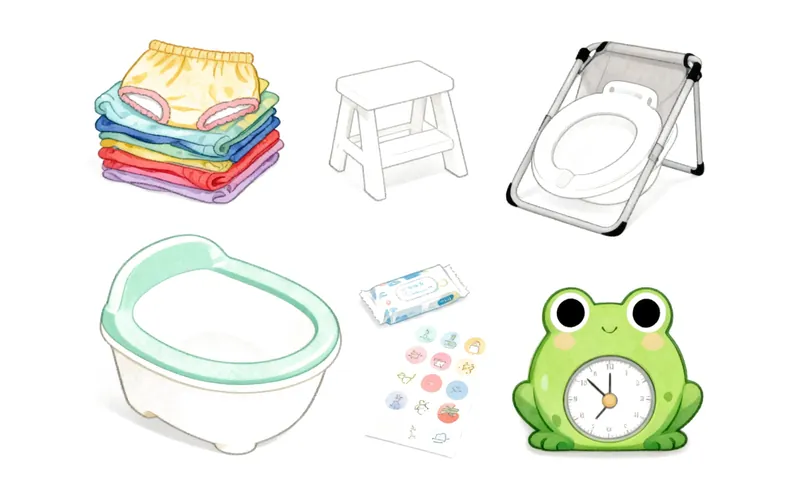
| Item | What to look for |
|---|---|
| Potty chair | Wide base, feet flat on floor, high front guard for boys |
| Toilet seat reducer | Fits securely, with a step stool for foot support |
| Step stool | Stable, for the toilet and the sink |
| Underwear | 8–12 pairs, cotton, a little loose |
| Easy clothes | Elastic waist, skirts, dresses; no onesies or overalls |
| Timer | Phone, kitchen timer, or watch alarm |
| Cleaning kit | Wipes, paper towels, cleaner, bucket or bag |
| Sticker chart | Simple, at eye level |
Set up the bathroom the night before you start: potty in place, book nearby, underwear in a drawer at your child's height, and the cleaning kit within your reach. That is enough to begin.
Questions parents ask
Do I need a potty chair or a toilet seat reducer?
Either works. A potty chair with a wide base lets your child sit with feet flat on the floor. A toilet seat reducer with a step stool works if your child prefers the big toilet. Some families use both, especially if there are two bathrooms.
How many pairs of underwear should I buy?
Plan on 8 to 12 pairs of cotton underwear. A little loose is better because it comes down faster. Let your child pick some out if possible, which can build interest.
Can we use training pants during the day?
It's better to use regular underwear during the day. Training pants absorb so much that your child may not feel wet, and that wet feeling is part of learning. For naps and nighttime, a diaper is fine.
What should I put on the couch and rugs?
A disposable pad or an old towel on the couch and high chair can catch accidents. Roll up any rugs you would hate to wash. Keep wipes, paper towels, and your usual cleaner in one spot for quick cleanups.
Do I need a timer for potty training?
A timer helps you offer potty sits at regular intervals without nagging. Your phone, a kitchen timer, or a watch with an alarm works. Keep sits short, a few minutes at most, and go back to playing if nothing happens.
These guides are general information for parents. They do not replace your pediatrician's advice: if something worries you, ask.