In short
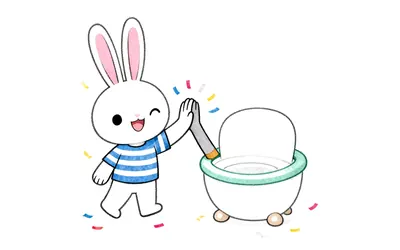
- Reward effort, not perfection: stickers for sitting, trying, and telling you.
- Skip big prizes and sweets; they can turn potty into a negotiation.
- Fade the chart gradually: one sticker a day, then phase it out in week three.
- Never reward dry nights; night dryness is not a choice.
On this page
Potty training rewards can help when they celebrate effort, not just results. A sticker chart gives your child a visual way to see their practice adding up, and it gives you a simple way to say, "I noticed you tried." The goal is to build confidence and routine, not to create a prize economy. This guide explains what rewards work, what tends to backfire, and how to fade them so your child eventually uses the potty on their own.
What a sticker chart is for
A sticker chart is not a scoreboard for perfection. Its job is to make progress visible. That means celebrating the things your child can control: sitting on the potty, trying, telling you they need to go, and yes, peeing or pooping in the potty. On the first day, a sticker for simply sitting down without a fight is a win. On day seven, a sticker for a pee in the potty is a win. The chart should reflect the effort you want to see more of.
Use one sticker for each pee or poop in the potty, or for each time your child tells you they need to go. In the second week, you can switch to one sticker at the end of the day if it was a good practice day. The chart is a conversation starter: "Look at all the practicing you did today." Keep it where your child can see it, but don't make a big deal out of every sticker. The celebration is the point, not the sticker itself.
Reward ideas that help
Small, immediate rewards work best. Think stickers, a stamp on the hand, a high-five, or a few minutes of a favorite activity. For poop, a special sticker can be motivating. Avoid food rewards, especially sweets, because they can turn potty into a negotiation and create pressure. Also avoid big prizes that take a long time to earn; they can feel out of reach and cause frustration.
Here are some reward ideas that fit the effort-focused approach:
- A sticker on the chart or a stamp on the back of the hand.
- A high-five, a hug, or a silly dance together.
- A small privilege like choosing the next book or song.
- A special sticker for poop in the potty.
- A "diploma" or certificate at the end of the week that celebrates the effort, not perfection.
Remember that the biggest reward is your calm attention. A simple "You listened to your body!" is often enough. For more on what to say, see what to say when potty training.
Why big prizes and sweets tend to backfire
Big prizes and sweets can backfire for a few reasons. First, they shift the focus from the internal feeling of success to the external prize. Your child may start asking "What do I get?" instead of noticing their body's signals. Second, they can create pressure: if the prize is big, your child may feel anxious about earning it, and anxiety can lead to holding or accidents. Third, they can lead to bargaining and power struggles. "If I sit for one minute, do I get a candy?" turns potty into a transaction.
Sweets are especially tricky because they are quick and pleasurable, and they can become the only reason your child tries. That makes it harder to fade the reward later. If you want to use a small treat occasionally, keep it unpredictable and not tied to performance. But in general, stick to stickers, stamps, and verbal praise.
How to fade rewards
Rewards are a temporary tool, not a permanent system. The goal is to gradually remove them so your child uses the potty because it's part of the routine, not because of a sticker. Start by moving from a sticker for every pee to one sticker at the end of the day if it was a good practice day. Then, in the third week, phase out the chart gradually. You don't need a grand finale; one day you'll simply forget to put up a sticker, and that's fine.
Never take away stickers your child has already earned. That feels like punishment and undermines trust. If the chart starts to stress your child out or make them sad, put it away. It's okay to drop the chart entirely if it's not helping. The same goes for rewards: if your child loses interest, that's a sign to fade them.
Rewards for dry nights don't fit
Nighttime dryness is not something your child can control. It depends on how mature their body is, not on effort. Rewarding dry nights can make wet nights feel like failure, which is unfair and can cause shame. Instead, reward what your child can control at night: drinking water throughout the day, peeing before bed, going to the potty if they wake up needing to go, and helping change the bed or carry pajamas to the laundry. For more on nighttime, see nighttime potty training: when and how.
If your child is older and still wetting at night, talk to your pediatrician. The same goes for any concerns about poop holding, painful poops, or accidents after being dry. These are medical questions, not reward issues.
What to avoid
Some reward practices tend to backfire. Avoid punishment, shame, bribes, and comparisons with other children. Don't say things like "Why didn't you tell me?" or "Your cousin doesn't wear diapers anymore." These add pressure and can make accidents more likely. Also avoid taking away stickers or rewards as a consequence. The chart should be a record of effort, not a tool for discipline.
If you promised a big reward and your child didn't earn it, give them the diploma or a small acknowledgment anyway. The message you want to stick is: "I tried hard and I'm loved just the same." For a full plan, see how to potty train a toddler.
When to talk to your pediatrician
Rewards are not a medical tool. If your child has hard or painful poops, holds poop, has blood in their poop, pain when peeing, or starts having accidents after being dry for a while, talk to your pediatrician. If your child seems unwell or cries when they try to pee, call your pediatrician. These signs need medical attention, not a new sticker chart.
Questions parents ask
Should you bribe for potty training?
Bribes are different from rewards. A bribe is offered in the moment to stop a behavior, like "If you sit, you get a candy." That can turn potty into a negotiation. A reward is planned ahead and celebrates effort, like a sticker for trying. Keep rewards small and predictable.
What is a potty training sticker chart for?
A sticker chart makes progress visible. It celebrates what your child can control: sitting, trying, telling you they need to go, and peeing or pooping in the potty. It is not a scoreboard for perfection.
How do you fade a potty training reward chart?
Start by moving from a sticker for every pee to one sticker at the end of the day if it was a good practice day. Then, in the third week, phase out the chart gradually. Never take away stickers your child has already earned.
Why shouldn't you reward dry nights?
Nighttime dryness is not something your child can control. It depends on how mature their body is, not on effort. Rewarding dry nights can make wet nights feel like failure. Instead, reward what they can control, like peeing before bed.
When should you talk to your pediatrician about potty training?
Talk to your pediatrician if your child has hard or painful poops, holds poop, has blood in their poop, pain when peeing, or starts having accidents after being dry for a while. If your child seems unwell or cries when they try to pee, call your pediatrician.
These guides are general information for parents. They do not replace your pediatrician's advice: if something worries you, ask.