In short
- Boys start peeing sitting down; standing comes later when they have good control.
- Point a boy's penis down before he pees so the stream stays in the potty.
- Girls sit with knees apart and bottom back, and always wipe front to back.
- Readiness, calm tone, and handwashing are the same for boys and girls.
On this page
Potty training a boy and potty training a girl follow the same broad plan: keep it calm, offer the potty often, and treat accidents as information, not failure. The differences are practical—how to position the body, where the pee goes, and how to wipe. Here is what changes for boys and for girls, and what stays exactly the same.
Boys: sit first, stand later
At first, all boys pee sitting down. Sitting lets him learn to pee and poop at the same time, so he does not have to choose between them. Standing comes later, once he has good control—usually by copying a father, an older brother, or a friend.
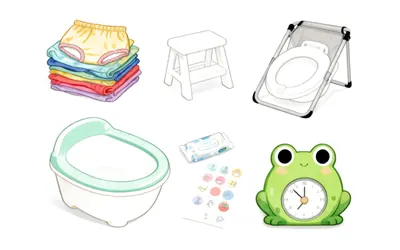
When he sits, show him how to gently push his penis down before he pees, so the pee does not go over the top of the potty. A potty with a high front guard helps a lot. If he is using the toilet, a step stool and a potty seat insert make sitting steadier. For a full list of what to have on hand, see what you need to start potty training.
Teaching a boy to pee standing up
When he wants to try standing, have him get close to the toilet and aim. A fun trick: drop a little piece of toilet paper in the water and let him “sink” it. The floor will get wet a few times—that is part of learning. Keep a towel nearby and clean up without fuss. If he is not interested in standing, that is fine; sitting works for pee and poop, and he can learn to stand whenever he is ready.
Girls: sit back and wipe front to back
Girls should sit with knees apart and sit all the way back on the potty or potty seat, so the pee lands inside. A potty seat insert can help, but the main thing is posture: bottom back, knees apart.
Always wipe front to back. That way germs from the bottom do not get dragged toward the vulva and the place where pee comes out. Teach it from day one and repeat it calmly: “Paper, front to back.” For pee, a dab with toilet paper is enough. For poop, you will need to help for a while—see the section below.
What is the same for everyone
The approach is the same for boys and girls: introduce the potty calmly, offer regular sits, praise effort, and avoid pressure. For a step-by-step plan, see how to potty train a toddler.
Wiping after poop
For quite a while you will do it, or your child will start and you will finish. That is normal—it is hard. Ask first: “Should I wipe, or do you want to start and I will finish?” This gives them some control and helps them learn. Keep wipes in the trash, never in the toilet—they clog pipes. Show them how much toilet paper to use (“four squares”), or you will end up with half a roll in the toilet.
Clothes
Practice pulling pants down and up. First you help; then you do half and your child does the rest; then no help. Loose elastic waistbands make this easier.
Handwashing
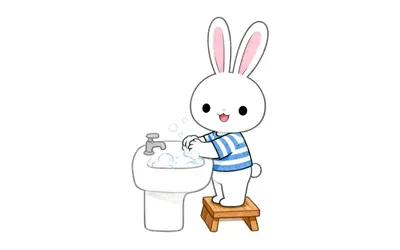
After every pee or poop, hands. Make handwashing the end of the ritual: pants down, sit, pee, wipe, pants up, flush, hands. Wash with water and soap for about 20 seconds—as long as singing “Happy Birthday” twice—not forgetting fingertips and under the nails. A step stool in front of the sink gives independence.
Their body belongs to them
Explain matter-of-factly that the people who take care of them (family, teachers) help them in the bathroom, and that if anyone does something to them they do not like, they should tell you.
A small table of differences
| Step | Boys | Girls |
|---|---|---|
| Peeing position | Sit first; stand later when ready | Sit with knees apart, bottom back |
| Aiming | Point penis down before peeing | No aiming needed; posture matters |
| Wiping | Help with poop wiping as needed | Always wipe front to back |
| Helpful gear | High front guard on potty | Potty seat insert |
What to avoid
Avoid comparing your child to siblings or friends. Avoid punishment or shaming for accidents—they are part of learning. Avoid bribing with treats or toys; praise and hugs work better. Avoid rushing the standing step for boys; sitting first is fine. And never use wipes in the toilet—they clog pipes.
When to talk to your pediatrician
If your child has hard or painful poops, holds poop, or has blood in the stool, talk to your pediatrician. If peeing is painful, or if a child who was dry starts having many accidents again, talk to your pediatrician. For wet nights in an older child, also talk to your pediatrician. Your pediatrician can help you figure out what is going on.
Moving from potty to toilet
Once your child is comfortable on the potty, you can start practicing on the toilet with a seat insert and step stool. For boys, this is also the time to practice standing if they are interested. For more, see moving from the potty to the toilet.
Questions parents ask
Should boys sit or stand to pee when potty training?
Start with sitting. Sitting lets a boy learn to pee and poop at the same time without having to choose. Standing can come later, once he has good control and shows interest, often by copying a father or older brother.
How do I teach my son to pee standing up?
When he is ready, have him stand close to the toilet and aim. A fun trick is to drop a piece of toilet paper in the water and let him try to sink it. Expect some misses on the floor; that is part of learning.
Why do girls need to wipe front to back?
Wiping front to back keeps germs from the bottom away from the vulva and the place where pee comes out. Teach it from the first day and repeat calmly: “Paper, front to back.” For pee, a dab with toilet paper is enough.
Do boys need to wipe after peeing?
The main focus for boys is pointing the penis down so pee goes into the potty. After a poop, help him wipe until he can do it himself. For pee, there is no special wiping step for boys in this guide.
What is the same for boys and girls in potty training?
Readiness signs, a calm approach, offering the potty regularly, praising effort, and handwashing after every pee or poop are the same. Wiping after poop usually needs adult help for a while, and children should learn that their body belongs to them.
These guides are general information for parents. They do not replace your pediatrician's advice: if something worries you, ask.