In short
- Regressions are common and usually temporary; many kids get back on track in days or weeks.
- Check for physical causes first: pain when peeing, fever, or hard poops.
- Go back to basics without returning to daytime diapers; skip punishment and lectures.
- Give extra one-on-one time and use a calm, matter-of-fact script for accidents.
On this page
Your child had weeks of dry days, and now there are wet underwear and puddles again. This is a potty training regression, and it is very common. It is almost always temporary, and many children get back on track in a few days or weeks. The goal is to find the cause, keep your child out of diapers during the day, and make it easy to get back on track.
Why regressions happen
A regression is not a failure. It is a sign that something has shifted for your child. Common reasons include:
- A big change: a new sibling, a move, starting daycare or preschool, a separation, or the loss of someone they love.
- An illness, like a stomach bug or a fever, or just being very tired.
- Constipation, or a bladder issue that needs a doctor's check.
- The bathroom has become a power struggle.
- They were not completely ready yet.
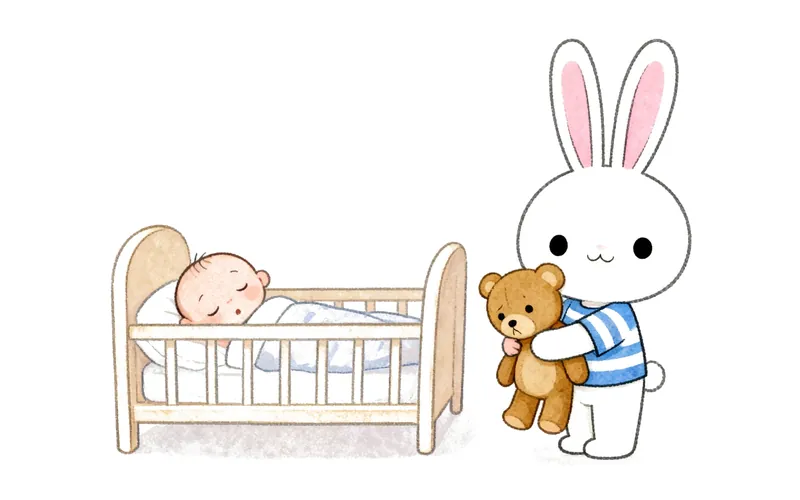
With a new baby, your child may also see that the baby wears diapers and gets lots of attention, and may want to be little again. That is normal and usually passes.
First, check for physical causes
Before you change your approach, rule out anything physical. If a child who had control starts having frequent accidents again, call your pediatrician. This is especially important if:
- It stings or hurts when they pee.
- They pee a huge number of times a day, a little at a time.
- They have a fever.
- Their poops are hard, large, or pellet-like.
If you see blood in pee or poop, or if your child is holding poop and distressed, call the pediatrician. For hard or painful poops, see poop withholding in toddlers for signs and what helps. When in doubt, call your pediatrician's office or nurse line.
Go back to basics without going back to diapers
Once physical causes are ruled out, return to the basics for a few days. Do not go back to daytime diapers unless you decide to take a break. Instead:
- Use key moments: after waking, after meals, and before leaving the house.
- Set a timer for a few days to remind both of you to try.
- Bring back the sticker chart if your child liked it.
- Use the accident script: “Pee goes in the potty. Let's clean up and try again.” Keep it quick and calm.
No punishments or lectures. Accidents are not misbehavior; they are information.
Give more connection, not more attention for accidents
Children often need more of you, not more attention for the accident. Give one-on-one time every day, even just 15 minutes, with no baby, no phone, doing what your child chooses. Hugs and play are for the good moments, not just when there is cleaning up to do.
If the regression is about daycare, talk to the teacher. Ask how bathroom trips work there and share what you do at home. For more on that, see potty training at daycare and preschool.
What to say
Keep your words matter-of-fact and kind. Try:
- “Lately more pee has been coming out. Sometimes that happens when things change. I'm going to help you remember.”
- “The baby wears a diaper because she doesn't know how yet. You're learning something really hard.”
- “Since your sister arrived, sometimes you feel angry or sad. That's normal. I love you just as much.”
Give your child a big-kid role without forcing it: picking out the baby's clothes, helping tell stories. Never use “you're a big kid now, not like the baby” as a criticism.
What to avoid
Some responses make regressions worse:
- Punishing or shaming for accidents.
- Bribing with candy or toys to stay dry.
- Comparing your child to siblings or friends who are dry.
- Turning the bathroom into a power struggle.
- Giving lots of attention to accidents but little to success.
If your child is having many accidents and you feel frustrated, take a breath and step back. For more on handling accidents calmly, see potty training accidents: what to do and say.
When to call the pediatrician
Call your pediatrician if:
- It hurts or stings when they pee, or the pee is cloudy, smells very bad, or has blood in it.
- There is blood in their poop or on the paper when you wipe.
- They have hard, large, or pellet-like poops, it hurts to poop, or they poop fewer than three times a week.
- They are holding in poop and distressed: going up on tiptoe, hiding, crying, squeezing so it won't come out.
- They often get poop on their underwear without noticing.
- They had control and are having frequent accidents again, day or night, with no clear cause.
- They pee a huge number of times, a little at a time, or can't hold it even for a moment.
- They pee very few times a day, or the stream is very thin or comes out in drips.
- They are over 2, feel the urge, try to get to the potty, and are still wet all the time, day and night.
- They have turned 4 and there is no daytime progress, even though you have tried calmly. Or sooner, if you are worried.
Call your pediatrician right away (same day) if:
- They are very thirsty, peeing much more than usual, very tired, or losing weight. Together, these signs need to be checked without waiting.
- They have a fever with discomfort when peeing, tummy or back pain, or they look unwell.
- They have bad tummy pain, a swollen tummy, and are vomiting.
Give it time
If after a month nothing has changed, your child may need a break. Take 2 to 3 weeks off and start again when things are calmer. A break is not a failure; it is a reset. Most children get back on track with time, calm, and connection.
Questions parents ask
How long does potty training regression last?
Many children get back on track in a few days or weeks. If nothing has changed after a month, a short break of 2 to 3 weeks can help before you try again.
Should I put my child back in diapers during a regression?
Not during the day, unless you decide to take a break. Go back to the basics instead: key moments, a timer for a few days, and a calm accident script.
What causes potty regression after a new baby or starting daycare?
Big changes can shake a child's sense of security. With a new baby, they may also want to be little again. Starting daycare can bring new routines and distractions. Extra one-on-one time and clear communication with caregivers help.
When should I call the pediatrician for potty regression?
Call if it hurts or stings when they pee, they have a fever, their poops are hard or painful, or they had control and are having frequent accidents again with no clear cause. Same-day call for extreme thirst, weight loss, or severe tummy pain with vomiting.
What should I say when my child has an accident?
Keep it short and matter-of-fact: “Pee goes in the potty. Let's clean up and try again.” Then move on. Save hugs and play for the good moments.
These guides are general information for parents. They do not replace your pediatrician's advice: if something worries you, ask.